


Introduction to Platform Selection
In today’s digital landscape, selecting the right platform for your business is crucial to ensure operational efficiency and maintain a competitive edge. The choice of platform serves as the backbone of a company’s online presence, influencing how products are marketed, how customers interact with the business, and ultimately, how sales are made. Given the wide array of options available, including WordPress, Wix, Shopify, and Webflow, businesses must carefully assess their specific needs before making an informed decision.
Choosing a platform involves understanding various factors that align with your business objectives, such as scalability, cost, ease of use, and flexibility. For SaaS (Software as a Service) businesses, these aspects are heightened as they dictate how efficiently a service can be delivered to customers. Each platform has its inherent strengths and weaknesses; for instance, WordPress is lauded for its extensive customization capabilities, while Shopify is preferred for e-commerce solutions.
It is essential to evaluate the integration possibilities with existing tools and systems. Businesses that prioritize digital marketing may favor platforms that offer robust SEO tools and analytics, while those with a focus on sales might lean towards platforms optimized for e-commerce transactions. Moreover, user experience is paramount as it affects customer satisfaction and retention rates. Platforms like Wix provide drag-and-drop capabilities that simplify site creation for users with no technical background.
As we delve into a comparison of these various platforms, assessing the unique features they offer will aid businesses in aligning their choice with both short-term and long-term goals. Doing so not only optimizes performance but also sets the stage for sustainable growth in an ever-evolving market.
Understanding WordPress: Control and Flexibility
WordPress has established itself among the top platforms for businesses looking to create a robust online presence. One of its standout advantages is the high level of control it offers users, particularly when compared to platforms like Wix and Shopify. With WordPress, businesses own their data entirely, granting them unparalleled ownership compared to broader SaaS solutions. This not only enhances the sense of security for users but also provides more opportunities for data manipulation and analysis.
Another significant benefit of WordPress is the absence of recurring fees, which are often associated with hosted solutions like Wix and Shopify. Once the initial setup is complete, ongoing costs primarily relate to hosting and maintenance, rather than monthly subscription fees. This can be particularly appealing for small businesses or startups with tight budgets, allowing them to allocate resources more efficiently rather than committing to a continuous payment model.
The scalability of WordPress is also worth noting. It is capable of accommodating a wide range of websites—from simple blogs to expansive ecommerce stores backed by comprehensive functionality. Businesses can easily adjust their websites as they grow, integrating various plugins and tools that expand capabilities without requiring a complete platform change. This flexibility is essential for companies looking to evolve their online strategies over time.
However, it is crucial to acknowledge that while WordPress offers extensive customization and control, there is a learning curve involved. Many businesses will require the assistance of a developer for the initial setup and ongoing maintenance to fully harness the platform’s capabilities. This need for technical expertise may deter some users, particularly those accustomed to the more user-friendly interfaces of site builders like Wix or Webflow.
Exploring Wix: The Beginner’s Option
Wix is often considered an appealing solution for individuals or small businesses embarking on their digital journey. This platform offers a user-friendly interface characterized by its drag-and-drop functionality, making it possible for absolute novices to create professional-looking websites without needing extensive technical knowledge. This ease of use is one of the primary reasons why many beginners gravitate towards Wix when launching their first site.
Nevertheless, while Wix provides an accessible entry point into the world of web development, certain limitations can affect users in the long run. One significant drawback is that users may feel locked into the Wix ecosystem, which can hinder flexibility when considering future growth or changes in business strategy. Websites built on this platform often face challenges regarding migration to other providers, thus making an eventual transition more complicated and time-consuming.
Moreover, Wix lacks comprehensive SEO control, a necessary feature for businesses aiming to enhance their online visibility. Although the platform offers basic SEO tools, they may not suffice for more advanced users or those aiming for a competitive edge. As businesses evolve, the limitations imposed by Wix often lead to a common scenario: users outgrowing the platform. Consequently, businesses may find themselves needing to switch to more robust alternatives such as WordPress or Shopify that cater to diverse needs and offer extensive customization.
In essence, while Wix is an excellent starting point for beginners due to its simplicity and intuitive design capabilities, potential users should carefully consider its limitations. The ease of setup is balanced by the risks of restricted scalability and diminished control over vital aspects such as SEO. As businesses grow, they may need to evaluate if Wix continues to serve their evolving needs or if transitioning to a more versatile platform becomes imperative.
Shopify: The Ecommerce Powerhouse
Shopify has established itself as a leading platform in the ecommerce landscape, providing users with a comprehensive suite of tools designed for effective online selling. For businesses focusing primarily on ecommerce, Shopify shines through its robust reliability and speed. The platform’s architecture is specifically tailored to handle high traffic volumes and complex transactions without compromising performance, making it ideal for small startups and large enterprises alike.
One of Shopify’s key strengths lies in its intuitive user interface, which streamlines the product selling process. Entrepreneurs can easily create and customize their online stores, integrate payment processors, and manage their inventory all from a single dashboard. Moreover, Shopify supports a multitude of sales channels, including social media and marketplaces, allowing businesses to broaden their reach and increase sales potential.
However, it is important to note that operating on Shopify does come with costs that can impact a business’s initial budget. While the platform offers a variety of pricing plans, businesses should take into account transaction fees that apply to certain payment gateways, which can accumulate over time. Additionally, Shopify may not be the most suitable choice for content-heavy websites, as its primary focus is on product sales rather than content management. Businesses looking to incorporate a significant amount of multimedia or in-depth articles may find alternatives like WordPress or Webflow more advantageous.
Ultimately, businesses must weigh the cost against the benefits of using Shopify, particularly when their core function is ecommerce. By evaluating their specific needs and resources, entrepreneurs can determine whether Shopify is the right fit or if they should explore other platforms that may better accommodate their content or feature requirements.
Webflow: The Designer’s Choice
Webflow has emerged as a preferred platform among designers who value aesthetics and functionality while seeking to avoid the complexities of coding. Unlike traditional content management systems like WordPress or e-commerce focused platforms such as Shopify, Webflow provides a unique blend of design flexibility and dynamic capabilities tailored for professional designers.
One of the standout features of Webflow is its visual design interface, which allows users to create responsive websites through an intuitive drag-and-drop mechanism. This feature is particularly appealing for designers who wish to have complete control over their creations without relying heavily on developers. The flexibility to implement intricate design elements and animations directly into the platform empowers designers to bring their visions to life seamlessly.
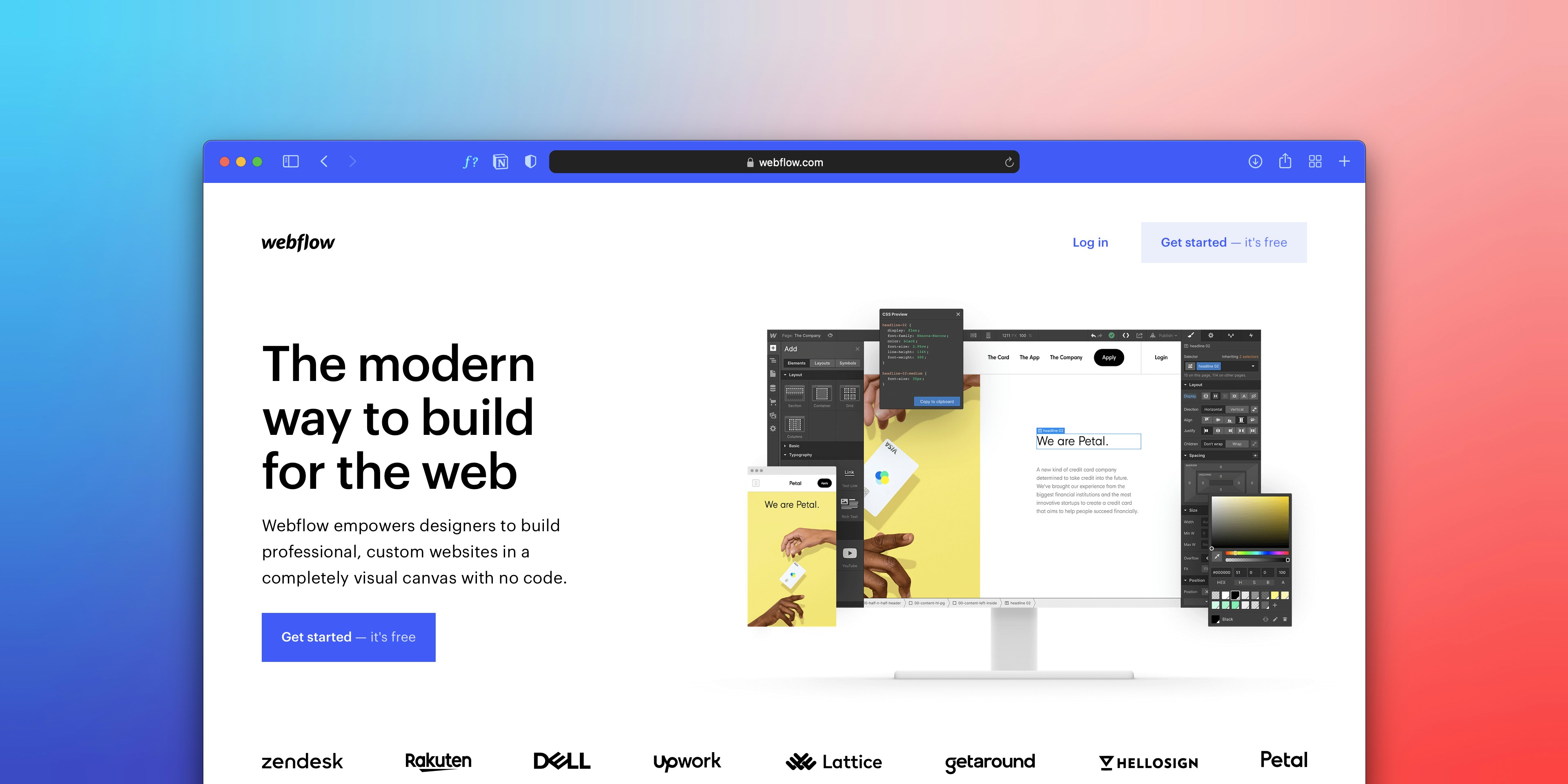
In terms of search engine optimization (SEO), Webflow offers several advantages over competitors like Wix or SaaS website builders. It generates clean, semantic HTML, CSS, and JavaScript, which are essential for enhancing site performance and accessibility. Additionally, its built-in SEO settings enable users to easily manage meta tags, alt text for images, and URL structures—all essential factors for elevating a website’s search engine ranking.
However, it is essential to acknowledge the learning curve associated with Webflow, mainly due to its sophisticated features and capabilities. Non-technical users may find managing content initially daunting, as the platform requires a deeper understanding of design principles compared to more straightforward tools like Wix. To mitigate this hurdle, Webflow offers extensive documentation and community support that can significantly aid newcomers in navigating the platform efficiently.
Cost Considerations: Budget and Beyond
When evaluating digital platforms for your business, understanding the financial implications is essential. Whether opting for WordPress, Wix, Shopify, or Webflow, each platform presents distinct pricing structures, ongoing fees, and potential hidden costs that can significantly influence your bottom line.
Starting with the initial investment, platforms like Wix may offer attractive introductory prices for setting up a website, but businesses must also consider renewal rates and the costs of premium features. In contrast, WordPress, while being a flexible and scalable solution, often requires additional expenses for hosting, themes, and plugins to enhance functionality. This can lead to higher upfront costs if not anticipated.
Ongoing fees create another layer of financial planning that businesses must evaluate. Shopify employs a subscription model where users pay monthly fees based on the selected plan. While this structure aids in budgeting, it is crucial to factor in payment processing fees and potential transaction fees that can accumulate over time. On the other hand, Webflow combines hosting and design capabilities but may incur costs related to additional site elements or users.
Further complicating the financial landscape are hidden costs that may not be immediately apparent. For example, the need for professional services such as SEO and site maintenance can lead to unforeseen expenses. Additionally, considering scalability implications is essential for long-term strategies. As a business expands, platforms may require upgrades or add-ons that can impact overall costs. Flexibility in pricing, ease of integration with other SaaS tools, and scalability options should be at the forefront of any decision-making process.
A comprehensive analysis of these cost factors will ensure that businesses choose the most suitable platform that aligns not only with their budget but also with their growth objectives.
Case Studies: Success Stories and Pitfalls
In the dynamic digital landscape, the choice of platform can significantly influence the trajectory of a business. Several organizations have experienced notable success or encountered substantial challenges based on their selection among popular platforms such as WordPress, Wix, Shopify, and Webflow. A careful examination of their experiences can provide valuable insights for prospective businesses.
Take, for example, a boutique e-commerce retailer that opted for Shopify to launch its online store. By leveraging Shopify’s robust e-commerce features, the retailer seamlessly integrated payment processing, inventory management, and marketing tools, resulting in a swift increase in online sales. Their decision to utilize Shopify’s user-friendly interface allowed them to focus on customer engagement rather than technical difficulties, showcasing how a well-suited platform can translate into rapid business growth.
Conversely, consider a small business that initially chose Wix for its web presence due to its simplicity and visual appeal. While they found it easy to create a visually stunning site, they soon faced limitations in terms of scalability and functionality as their needs evolved. The inability to add advanced features led to a frustrating experience, ultimately prompting them to migrate to a more flexible and robust solution, which involved additional costs and downtime. This case underscores the importance of evaluating future growth potential when selecting a platform.
Another noteworthy example is a tech startup that adopted Webflow for its service-oriented website. The startup benefitted from Webflow’s powerful design capabilities, facilitating an agile development process. However, they later encountered challenges in integrating third-party applications, which highlighted the need for thorough research into compatibility and available plugins when selecting a SaaS platform.
These case studies illustrate that while platforms like WordPress, Wix, Shopify, and Webflow offer unique advantages, careful consideration of business needs and potential growth scenarios is crucial. Learning from the experiences of others can guide new ventures in making informed decisions, effectively aligning platform capabilities with business objectives.
After having built over 50 websites across various platforms, I have gained valuable insights into the strengths and weaknesses of each. The choice of platform plays a pivotal role in defining the online presence of a business, whether it is on WordPress, Wix, Shopify, Webflow, or another SaaS solution. Each of these platforms offers distinct features tailored to different business needs.
WordPress stands out for its unmatched flexibility and vast array of plugins, making it suitable for blogs, e-commerce, and portfolio sites. However, it often requires a steeper learning curve, and site management can demand significant technical skills. For those seeking speed and ease of use, Wix provides an intuitive drag-and-drop interface, great for small businesses and personal websites, but it may fall short on scalability.
Shopify excels in e-commerce, offering robust features for selling products online, while Webflow appeals to designers with its advanced customization options and clean code output. However, the latter may not be as user-friendly for those without technical design knowledge. When evaluating these platforms, it is crucial to align your choice with your business goals and long-term vision.
In my experience, businesses focusing on content-driven sites might find WordPress to be the most useful, whereas e-commerce ventures should consider Shopify for its comprehensive sales tools. Additionally, if the primary goal is aesthetic design, Webflow is worth exploring. Ultimately, the right choice should not only resonate with current needs but also have the potential to evolve as the business grows.
Remember, it’s not just about features or pricing; it is about the user experience and the platform’s capacity to adapt to changing business dynamics. Carefully assessing these factors will lead to a more strategic decision in choosing the right website platform.
Final Thoughts: What’s Right for You?
When selecting a platform for your business, whether it is WordPress, Wix, Shopify, Webflow, or another SaaS solution, it is crucial to assess your unique needs and preferences thoroughly. Each of these platforms offers distinct advantages and can cater to various aspects of your business, including e-commerce capabilities, content management, and overall design flexibility. Reflecting on your past experiences with these platforms can provide invaluable insights into what worked well and what didn’t for your specific objectives.
Consider the operational aspects that are essential for your business’s success. For instance, if ease of use is paramount, a platform like Wix may appeal to you with its drag-and-drop interface. Conversely, if advanced customization and scalability are priorities, WordPress or Webflow could better serve your intentions. Assessing customer support, community resources, and the overall ecosystem of your chosen platform is also vital. For businesses that anticipate growth, understanding how easily these platforms adapt to increasing demands will influence your long-term decisions.
Moreover, examine the pricing structure of each solution and how it aligns with your budgeting strategy. While platforms such as Shopify can facilitate immediate e-commerce deployment, they may come with transaction fees that can affect your margins. Conversely, options like WordPress and Webflow may allow for lower upfront costs but require more investment in additional plugins and hosting services.
Ultimately, the right platform is one that not only meets your current requirements but also has the flexibility to grow alongside your business. Take the time to reflect on your experiences, identify your future goals, and choose a platform that aligns with that vision. Doing so will not only enhance your operational efficiency but also ensure your business’s continued development in a competitive landscape.